
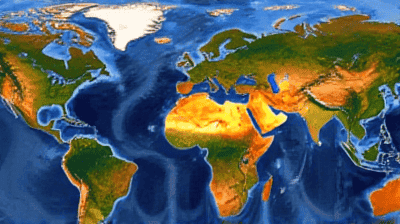
The Earth is a dynamic planet, undergoing constant change driven by various geological processes. At the heart of these processes lies the theory of plate tectonics, which explains how the continents and ocean floors move and evolve over geological time. This theory not only sheds light on the formation of mountains, earthquakes, and volcanic activity but also helps us understand the very structure of our planet.
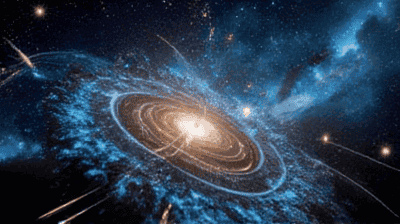
When we think of Einstein, we might picture a wild-haired genius scribbling equations on a chalkboard. However, the theories he developed over a century ago profoundly influence our everyday lives in ways we might not even realize. Albert Einstein's theories of relativity—special relativity and general relativity—revolutionized our understanding of space, time, and gravity. From the technology that powers our navigation systems to the fascinating phenomenon of gravitational waves, relativity plays a pivotal
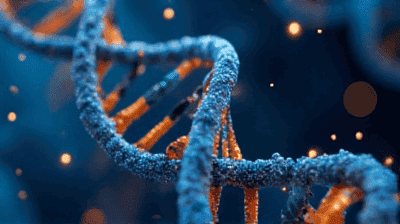
The field of genetics has seen monumental advances in recent years, with one of the most significant breakthroughs being the development of CRISPR gene editing technology. CRISPR, which stands for Clustered Regularly Interspaced Short Palindromic Repeats, has revolutionized our understanding of genetics and opened new avenues for treating diseases, from genetic disorders to certain types of cancer.

Water is one of the most essential substances on Earth, shaping our planet's landscapes, ecosystems, and climates. The water cycle, also known as the hydrological cycle, describes the continuous movement of water in its various forms—liquid, solid, and gas—through the environment. This complex and dynamic process plays a critical role in sustaining life and influencing weather patterns.
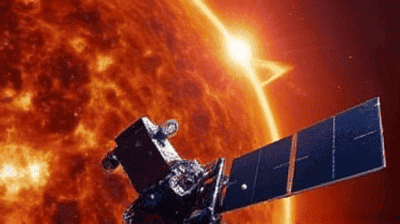
The Sun, a seemingly tranquil ball of fire at the center of our solar system, is anything but peaceful. It regularly emits powerful bursts of energy and charged particles, known as solar storms. These events can have profound effects on space weather, impacting satellites, power grids, and even the technologies that millions of people rely on every day. Understanding solar storms and their potential threats is crucial for protecting our technology and infrastructure.